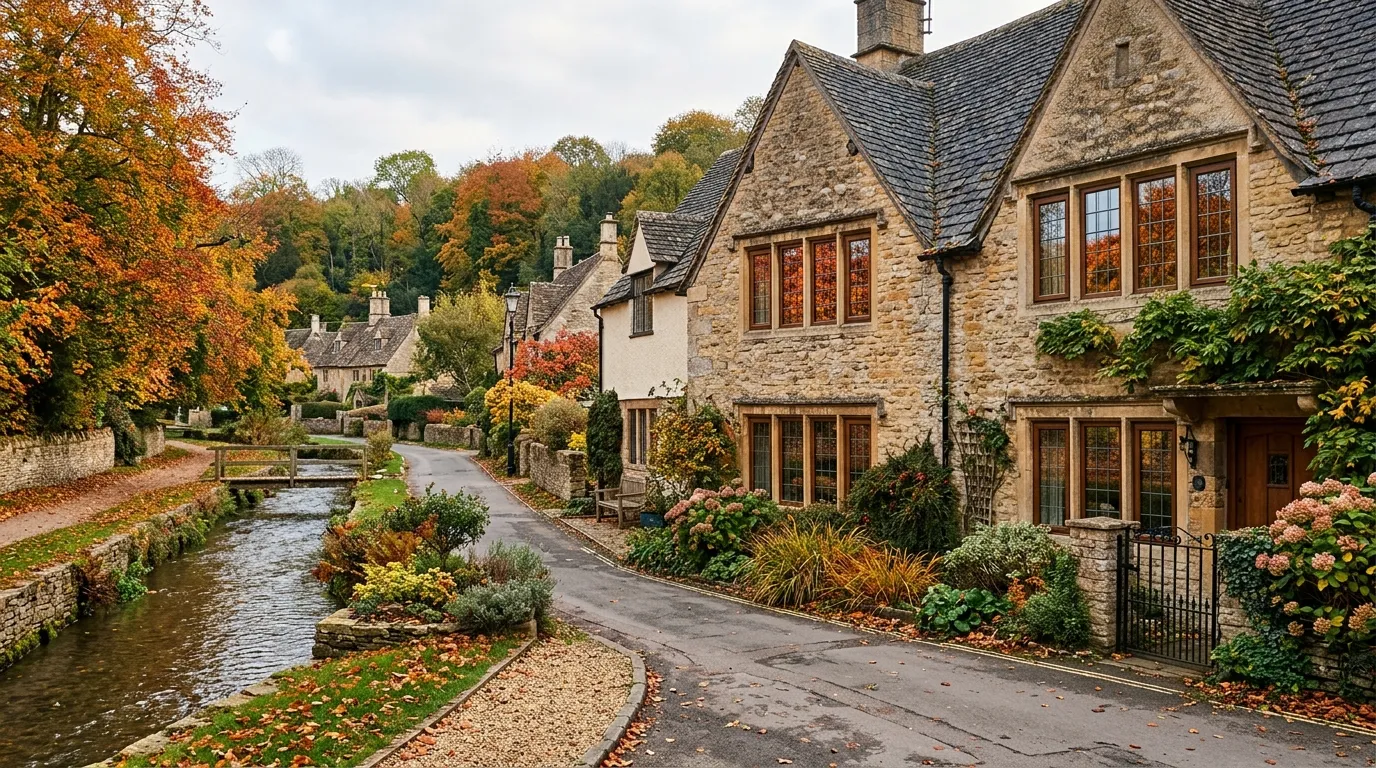
Crysler is a village of a few hundred people on the banks of the South Nation River in the Township of North Stormont, south of Highway 417 and surrounded by some of the flattest farmland in Eastern Ontario. It wears its two heritages openly: a Catholic parish that anchors the francophone community and red-brick homes and storefronts that speak to its English-Ontario roots. Unisson Groupe now serves Crysler with windows and doors measured here, built in our Saint-Laurent factory and installed by our own crews.
Why Unisson now serves Crysler
Crysler is reached from Highway 417 by county road, about 145 km and an hour and a half from our factory in Saint-Laurent. It sits in the middle of the territory we now cover in Eastern Ontario, between Casselman to the north and the Stormont farm country to the south, and it is the kind of village where a factory-direct manufacturer has rarely been an option: the nearest showrooms are in Ottawa or Cornwall, and both sell someone else's windows.
Factory-direct means something concrete. Unisson designs and builds its own UPVC and hybrid windows in Saint-Laurent, our own estimator measures your openings, and our own crew installs the finished units. One company, one RBQ licence (5670-0248), one written warranty that covers both the product and the installation. Nobody has to decide whether a leak is the supplier's fault or the installer's, because they are the same people.
Crysler is a bilingual village in a bilingual township, and a large share of households speak French at home. Our estimators and installation crews work in both languages, so you can ask your questions in French or English and get a quote and contract in the same language.
Homes in Crysler: river, brick and open fields
The village core has red-brick homes and a few two-storey frame houses from the late 1800s and early 1900s, with the church and the older commercial buildings along the main streets. Around that core are bungalows and split-levels from the 1960s to the 1980s, and toward the edges some 1990s and 2000s builds on larger lots. Outside the village, the concession roads carry the farmhouses of North Stormont, many of them extended and re-windowed several times over a century.
What fails is familiar to anyone who has owned an older home here. Original wood sash with cut counterweights and storm windows that no longer seal; aluminum sliders from the 1970s that frost on the inside every January; and first-generation vinyl from the 1990s whose sealed units have lost their argon and fog between the panes. On the farmhouses and older village homes, the sills and brickmould rot where meltwater sits every spring, and drafts come through the gap between the old frame and the rough opening.
Crysler's setting adds two things. The South Nation River brings humidity and, in spring, high water that saturates the ground and keeps the air damp around foundations and low windows, which feeds condensation on a poorly insulated frame. And the flat open land around the village gives the wind a clear run: at -30 °C with a north-west wind, any weak seal shows up as a cold draft you can feel from across the room. Freeze-thaw cycles in March and April then work on caulking and frame joints week after week.
- Late-1800s village homes: tall wood sash, cut counterweights, storm windows, sill rot
- 1960s–80s bungalows: aluminum sliders, single-pane picture windows, interior frost
- 1990s–2000s builds: first vinyl generation, fogged sealed units, stiff cranks
- River and fields: spring humidity, open-field wind, repeated freeze-thaw
Which windows and doors fit here
For most Crysler homes we propose UPVC casement and awning windows with multi-point locks and compression seals, which close tighter against wind than any slider and are easy to operate with one hand. For the tall openings of a red-brick village home, a casement with a transom or fixed section keeps the original proportions. Our hybrid windows, UPVC inside with an aluminum-clad exterior in a painted colour, suit a brick facade where you want a traditional look without the upkeep of wood.
We recommend triple glazing throughout in this climate. Three panes, two low-E coatings and argon fill keep the interior glass surface warmer, which is what limits condensation in a humid riverside village and stops frost from forming in the corners on the coldest nights. Every window is ENERGY STAR certified to Canada's single national specification in force since 2020: a U-factor of 1.22 W/m²·K or lower, or an Energy Rating of 34 or higher.
Our insulated steel and fibreglass entry doors come with adjustable thresholds, multi-point locks and durable weatherstripping, and our patio doors use the same triple low-E glazing as the windows with stainless rollers that tolerate grit. On a village lot where the back door faces the river breeze, that combination makes a noticeable difference in the kitchen.
- UPVC casement / awning: compression seals, multi-point locks, fusion-welded corners
- Hybrid UPVC-aluminum: painted exterior for red-brick village homes
- Triple glazing: two low-E coatings, argon fill, warm-edge spacer
- Entry & patio doors: insulated cores, adjustable thresholds, ENERGY STAR glazing
Ontario specifics: code, permits and rebates
Our Ontario installations follow the Ontario Building Code, whose 2024 edition has applied since early 2025. For replacement windows in an existing opening, the code's energy requirements mostly concern new construction, and an ENERGY STAR triple-glazed unit exceeds what the code asks of a new home in this climate. The rule that most often touches a real project is egress: a basement bedroom window must keep the required clear opening after replacement, and we confirm that at the measurement visit.
Permits are decided by the municipality. A same-size replacement in the same opening generally does not need a building permit in Ontario, but enlarging an opening, adding a window in a load-bearing wall or changing a basement egress window usually does. For Crysler, a quick call to the North Stormont building department before work begins is the safe route, and we can supply drawings if the township requires them.
The main rebate open in Ontario at the time of writing is the Home Renovation Savings Program, delivered by Save on Energy and Enbridge Gas with provincial support. It has offered a fixed amount per ENERGY STAR window or door opening, provided you complete a home energy assessment and at least two eligible measures together, such as windows plus insulation or air sealing. Not every road in North Stormont has natural gas, and the program has run a separate stream for homes heated with electricity, propane, oil or wood. Amounts, conditions and deadlines change, so confirm eligibility with the program before you count a rebate in your budget.
How it works from our Montreal factory
It starts with a free in-home estimate. Our estimator drives out from Saint-Laurent, measures each opening, checks frames, sills and any rot, and goes through frame types, glazing and colours with you. You get a written quote by email, in French or English, with no obligation.
After approval, your windows and doors are built in our own Saint-Laurent factory, typically in 6 to 10 weeks depending on the season and the size of the order. Delivery and installation are done by our own crews, usually in one or two days for a typical house: old units out, openings insulated and foamed, new units levelled and secured, exterior capped or trimmed and interior finished before we leave.
Because we manufacture and install, one written warranty covers both the product and the workmanship, with the frame, the sealed glass unit and the hardware listed separately. Financing is available online with payments over 12 to 240 months, so a village home that needs every window done can be handled as one project.
- Step 1: free in-home measurement and written quote
- Step 2: manufacturing at our Saint-Laurent factory, typically 6–10 weeks
- Step 3: delivery and installation by our own crews, usually 1–2 days
- Step 4: one warranty for product and installation, financing over 12–240 months
Frequently Asked Questions
Is condensation on my windows a glass problem or a humidity problem?
Often both. A riverside village like Crysler has humid air, but condensation forms where the glass or frame is cold. Triple glazing with a warm-edge spacer keeps the interior surface warmer, which usually resolves it; we also look at ventilation during the estimate.
Do you serve the farms outside the village as well?
Yes. Our Crysler service area includes the concession roads around the village and the rest of North Stormont; farmhouses with many different opening sizes are a normal order for our factory.
Can I get my quote in French?
Yes. Our estimators and crews are bilingual, and your quote, contract and installation day can be entirely in French or English.
Do I need a permit in North Stormont to replace windows?
For a like-for-like replacement, generally not; for a larger opening or a basement egress change, usually yes. Confirm with the North Stormont building department, and we can provide drawings if required.
How long does the whole process take?
Roughly 6 to 10 weeks of production after you approve the quote, then one or two days of installation for a typical home. Crysler is about an hour and a half from our factory, so delivery and installation happen on the same trip.